A New Solution for Visualized Minimally Invasive Neurosurgical Treatment
Magnetic Resonance-Guided Laser Interstitial Thermal Therapy System
Precise Treatment, Stepping into the Future

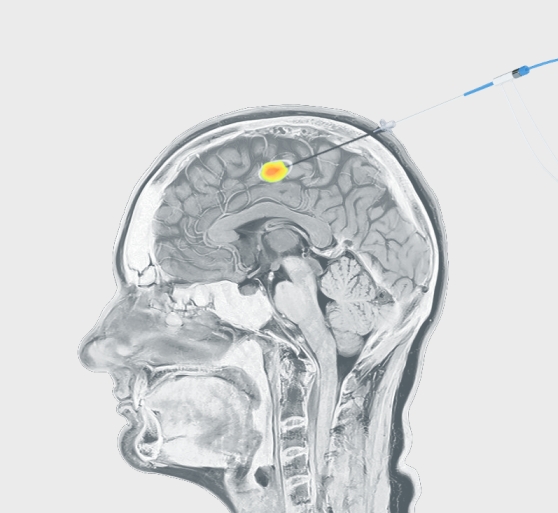
The Magnetic Resonance-Guided Laser Interstitial Thermal Therapy System (MRgLITT) can perform laser interstitial thermal therapy (LITT). The MRgLITT procedure is a novel minimally invasive therapeutic technique targeting various intracranial lesions. It aims to use the assistance of MRI equipment and stereotactic devices to precisely place the therapeutic laser fiber into the patient's intracranial target lesion. Under real-time MRI monitoring, the heat released by the laser is used to precisely inactivate the diseased tissue, achieving fully visualized, precise ablation throughout.
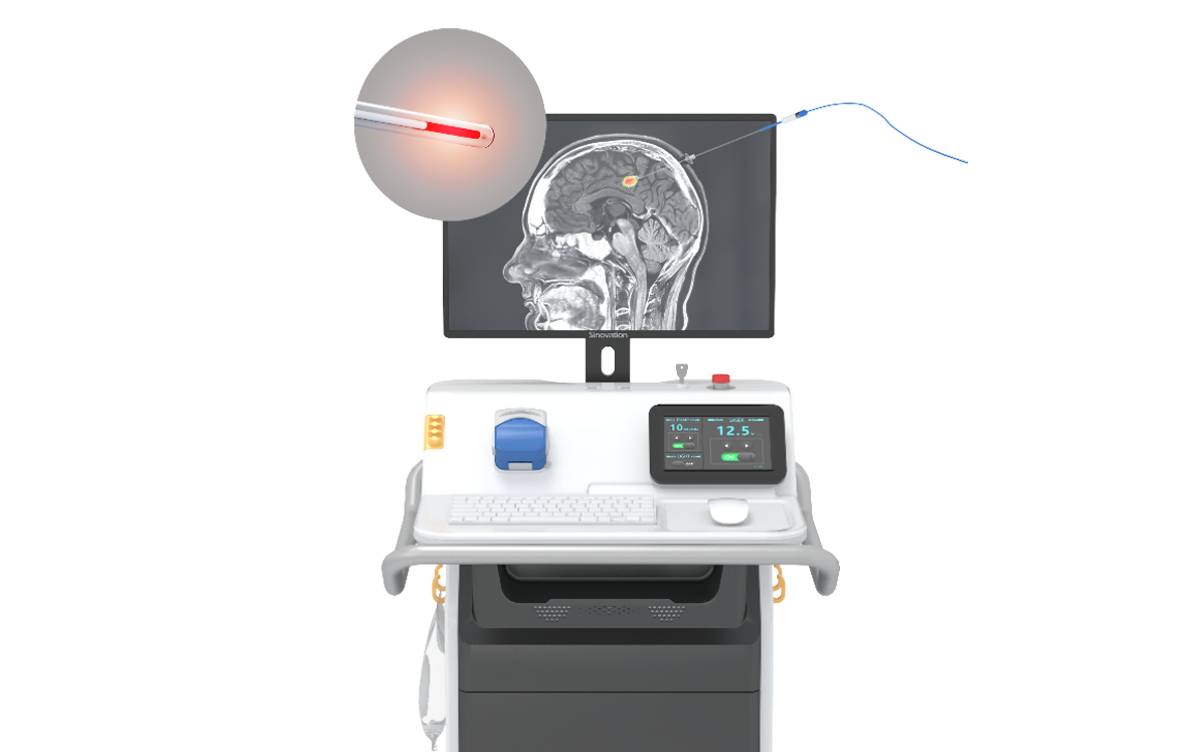
The LS1 Magnetic Resonance-Guided Laser Interstitial Thermal Therapy System is the first approved equipment of this type in China, filling a gap in the domestic market. The core of the LS1 system is collaboratively composed of two major modules: the "MRI-Monitored Semiconductor Laser Therapy Equipment" and its supporting consumable, the "Disposable Laser Optical Fiber Kit". It features precise laser energy output, intra-operative targeted cooling, real-time temperature monitoring, and precise lesion ablation. The product can be used to perform minimally invasive, precise, and safe local lesion laser therapy for drug-resistant epilepsy, brain tumors, and other related diseases.
*Therapeutic indications are subject to the contents of the local product registration certificate.

Core Technical Principles

Biothermal ablation effect
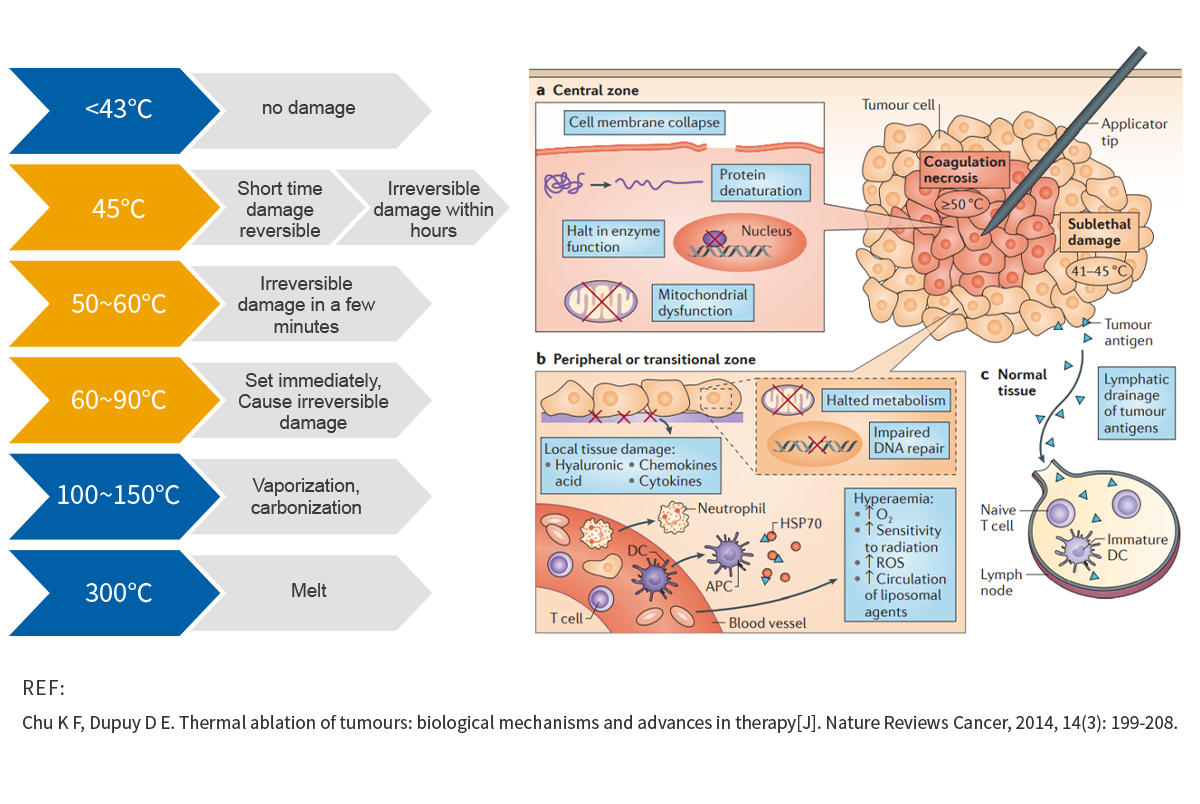
MRgLITT heats intracranial lesion tissues via laser. Under high temperatures, cells undergo biothermal effects such as cell membrane lysis, protein denaturation, and enzyme inactivation, leading to cell death and achieving thermal destruction of the lesion.
During MRgLITT treatment, under real-time MRI guidance, the core temperature of the ablation zone is controlled at 60-90°C, and the edge temperature is controlled at 50-60°C, thereby achieving stable, controllable thermal destruction to reach the therapeutic effect.
Scattered beam control
he MRgLITT system transmits laser through scattered optical fibers to achieve uniform ablation of the lesion. The scattered optical fiber is placed inside a cooling cannula, and a water-cooled temperature control system ensures that the core temperature remains controllable.
Proton resonance thermometry
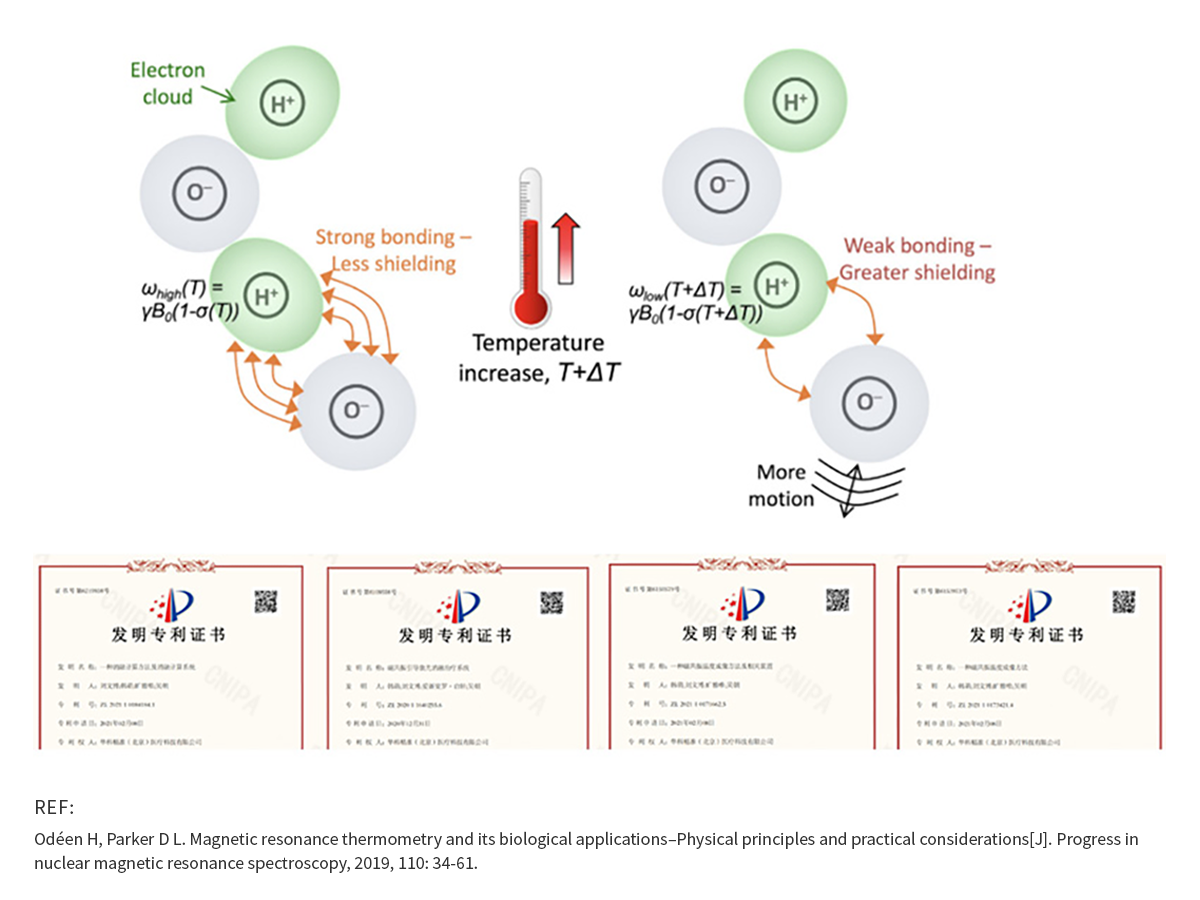
he LITT surgery is performed under real-time MRI monitoring. Protons at different temperatures travel different distances under MRI, which can be scanned by specific imaging sequences, then identified and processed by software algorithms for real-time feedback to the user, with a temperature measurement error of less than 1°C. This technology is internationally leading, boasting multiple invention patents as well as complete intellectual property rights.
Biothermal ablation effect
Scattered beam control
Proton resonance thermometry
Product Application

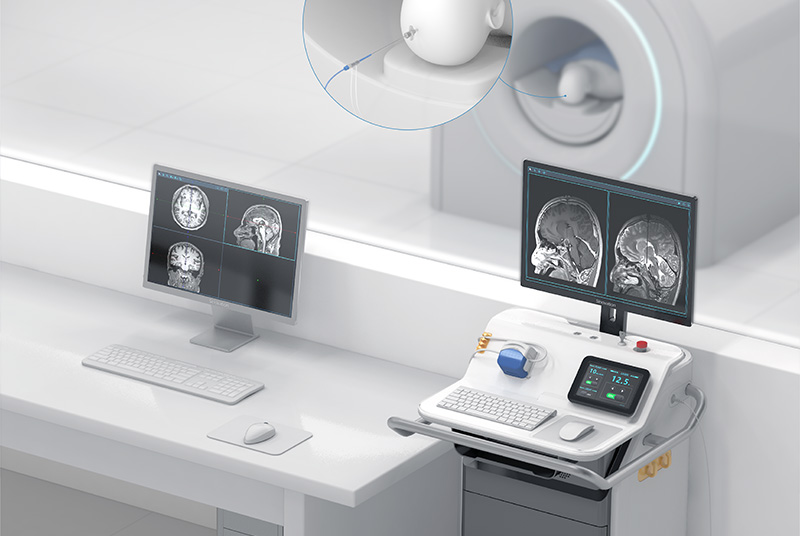
An MRgLITT procedure first requires a detailed surgical plan, including the fiber placement coordinates and the estimated ablation zone, followed by placing the fiber at the intracranial lesion coordinate guided by a stereotactic device. After transferring the patient into the MRI scanner, MRI scanning begins alongside the laser interstitial thermal therapy. Under real-time MRI guidance, the temperature and ablation extent of the target zone are monitored, completing the lesion therapy safely and precisely.
Product Features

Product Features
Under real-time MRI guidance, the therapeutic process is monitored visually, allowing precise treatment of the lesion without damaging surrounding normal brain tissue.
Minimally invasive treatment
Only a 3mm bone burr hole is required, allowing treatment of intracranial lesions without choosing a craniotomy, which alleviates psychological burdens and fears. It improves surgical safety, reduces the likelihood of complications, shortens the post-operative recovery period, and enables a quick return to normal life.
Efficient ablation
Few restrictions; it can treat lesions in any part of the brain, making it suitable for patients with poor physical conditions or those unable to tolerate a craniotomy. The surgical time is short, and the treatment scope is extensive.